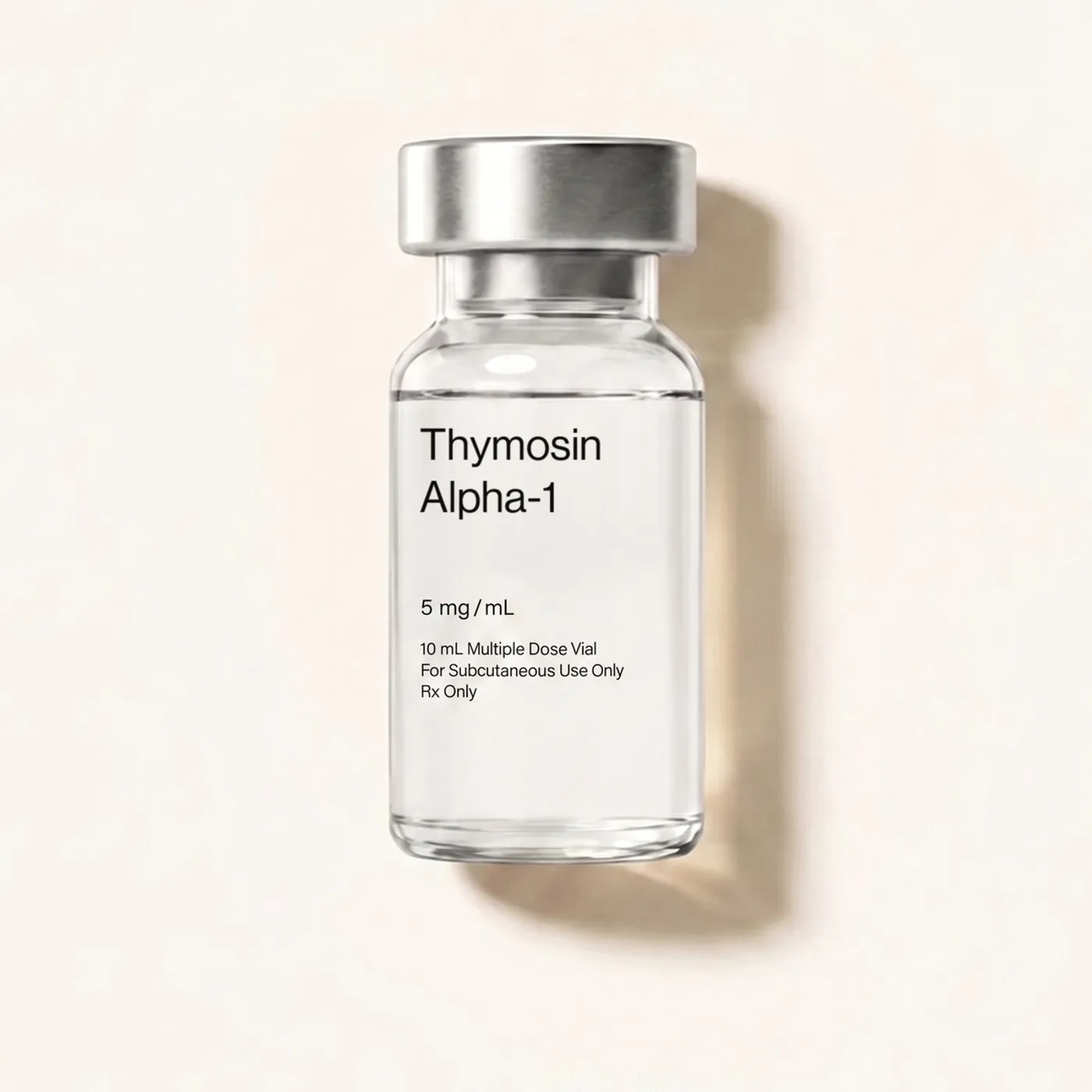
Thymosin Alpha-1
Thymosin alpha-1 is among the better studied compounds here: randomized trials cover severe sepsis, chronic hepatitis and adjuvant cancer...
About:
An immunomodulating peptide from thymus tissue, approved in some countries as thymalfasin for hepatitis and studied in sepsis.
What does this peptide do?
Backed by human trial data, narrower than the strongest evidence. Research focuses on hepatitis and sepsis.
Hepatitis research
Approved in some countries as thymalfasin for hepatitis.

Sepsis research
Studied as an immunomodulator in sepsis.
Evidence grade
 B
BHighest evidence grade among the graded claims: B. Grades reflect study strength, not benefit.
What are the benefits and side effects of this peptide
What research says it may help with
- Thymosin alpha-1 is among the better studied compounds here: randomized trials cover severe sepsis, chronic hepatitis and adjuvant cancer treatment, and it holds marketing authorisation as thymalfasin in some countries.
- Evidence quality varies by indication, and it carries no United States authorisation.
Who should avoid it
- People who are pregnant or breastfeeding
- Children and adolescents
- People taking immunosuppressive medication, where no interaction data exists
- Known hypersensitivity to peptide preparations
See the safety section. Absence of a flag is not evidence of safety.
A grade reflects evidence strength, not a recommendation to use this compound; a strong grade can attach to a harmful effect.

How to store this peptide
Typically sold as a lyophilized powder. Reconstituted solutions are perishable, need refrigeration, and require clean handling to avoid contamination.
Lyophilized storage
Store at −20 °C, protected from light.
Reconstituted storage
Keep at 2–8 °C and use within a short period. For longer storage, aliquot and freeze at −20 °C.
Storage Handling
Avoid repeated freeze–thaw cycles. Let the vial reach room temperature before opening.
Related research
Related research is coming soon for this peptide.
Related peptides
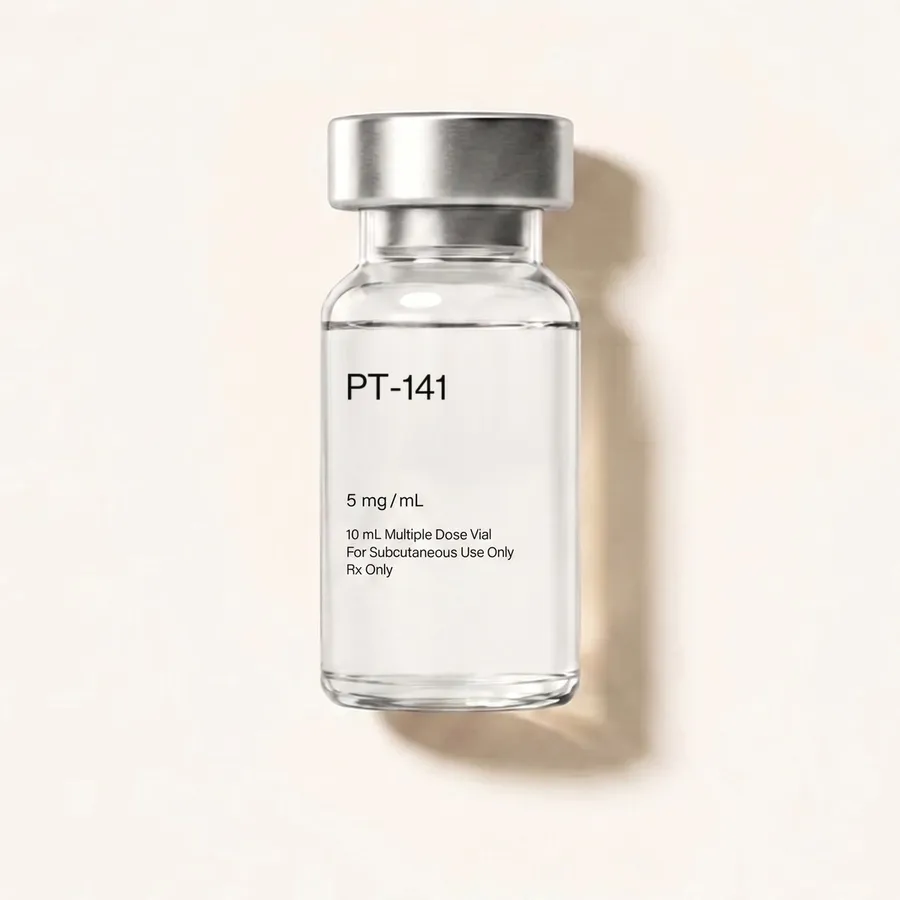 Wellness
PT-141
Bremelanotide, studied for libido and sexual-wellness research.
 Wellness
DSIP
DSIP was isolated from work on sleep transmission in rabbits in the 1970s, and that origin is well documented. Its sleep effects rest on old...
 Wellness
Thymalin
Thymalin comes from one Russian research programme, where a controlled study of thymus and pineal preparations reported effects on survival...