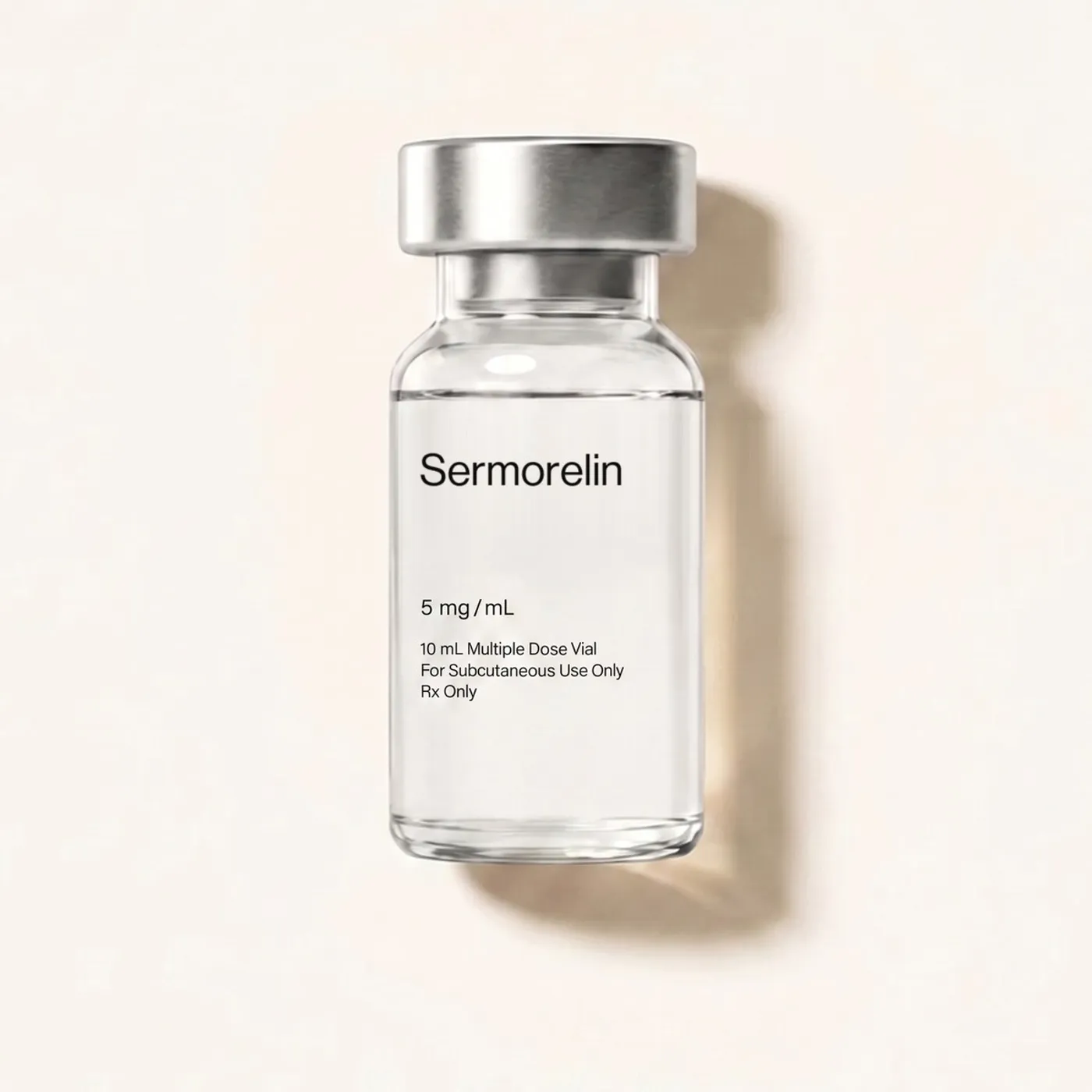
Sermorelin
Human evidence exists for growth hormone releasing hormone itself: controlled studies in people show that it raises growth hormone secretion. What...
About:
A synthetic fragment of growth hormone releasing hormone, corresponding to GHRH(1-29), historically used in diagnostic testing.
What does this peptide do?
Backed by human trial data, narrower than the strongest evidence. Research focuses on growth hormone release and diagnostic testing.
Growth hormone release
A GHRH(1-29) fragment that prompts GH release.

Diagnostic testing
Historically used as a diagnostic agent.
Evidence grade
 B
BHighest evidence grade among the graded claims: B. Grades reflect study strength, not benefit.
What are the benefits and side effects of this peptide
What research says it may help with
- Human evidence exists for growth hormone releasing hormone itself: controlled studies in people show that it raises growth hormone secretion.
- What we could not verify is sermorelin-specific outcome data, or any evidence that it changes body composition, strength or recovery in otherwise healthy adults.
Who should avoid it
- People who are pregnant or breastfeeding
- Children and adolescents
- People with active or prior cancer, since growth hormone pathways are involved
- Known hypersensitivity to peptide preparations
See the safety section. Absence of a flag is not evidence of safety.
A grade reflects evidence strength, not a recommendation to use this compound; a strong grade can attach to a harmful effect.

How to store this peptide
Typically sold as a lyophilized powder. Reconstituted solutions are perishable, need refrigeration, and require clean handling to avoid contamination.
Lyophilized storage
Store at −20 °C, protected from light.
Reconstituted storage
Keep at 2–8 °C and use within a short period. For longer storage, aliquot and freeze at −20 °C.
Storage Handling
Avoid repeated freeze–thaw cycles. Let the vial reach room temperature before opening.
Related research
Related peptides
 Growth Hormone
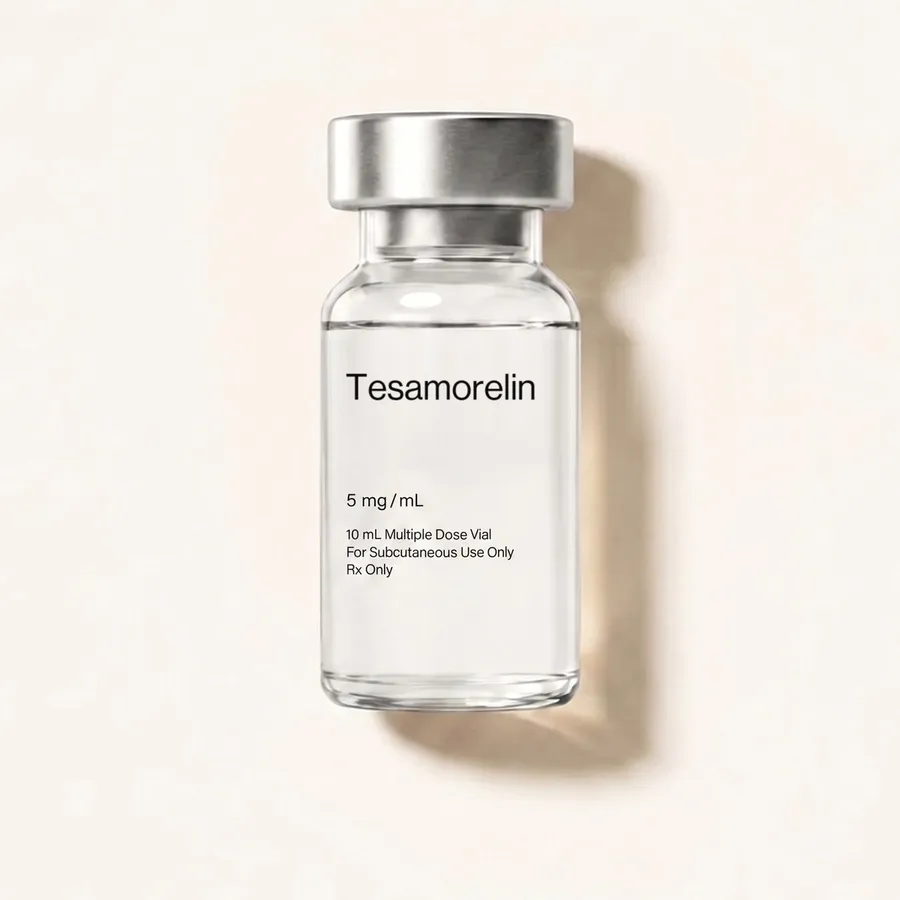
Tesamorelin
GHRH analog studied for reducing visceral fat and supporting GH release.
 Growth Hormone
Ipamorelin / CJC-1295
GH secretagogue blend researched for lean mass, recovery, and sleep.
 Growth Hormone
GHRP-6
GHRP-6 has real human pharmacology: randomized studies in the 1990s showed it stimulates growth hormone release, alone and combined with GHRH,...