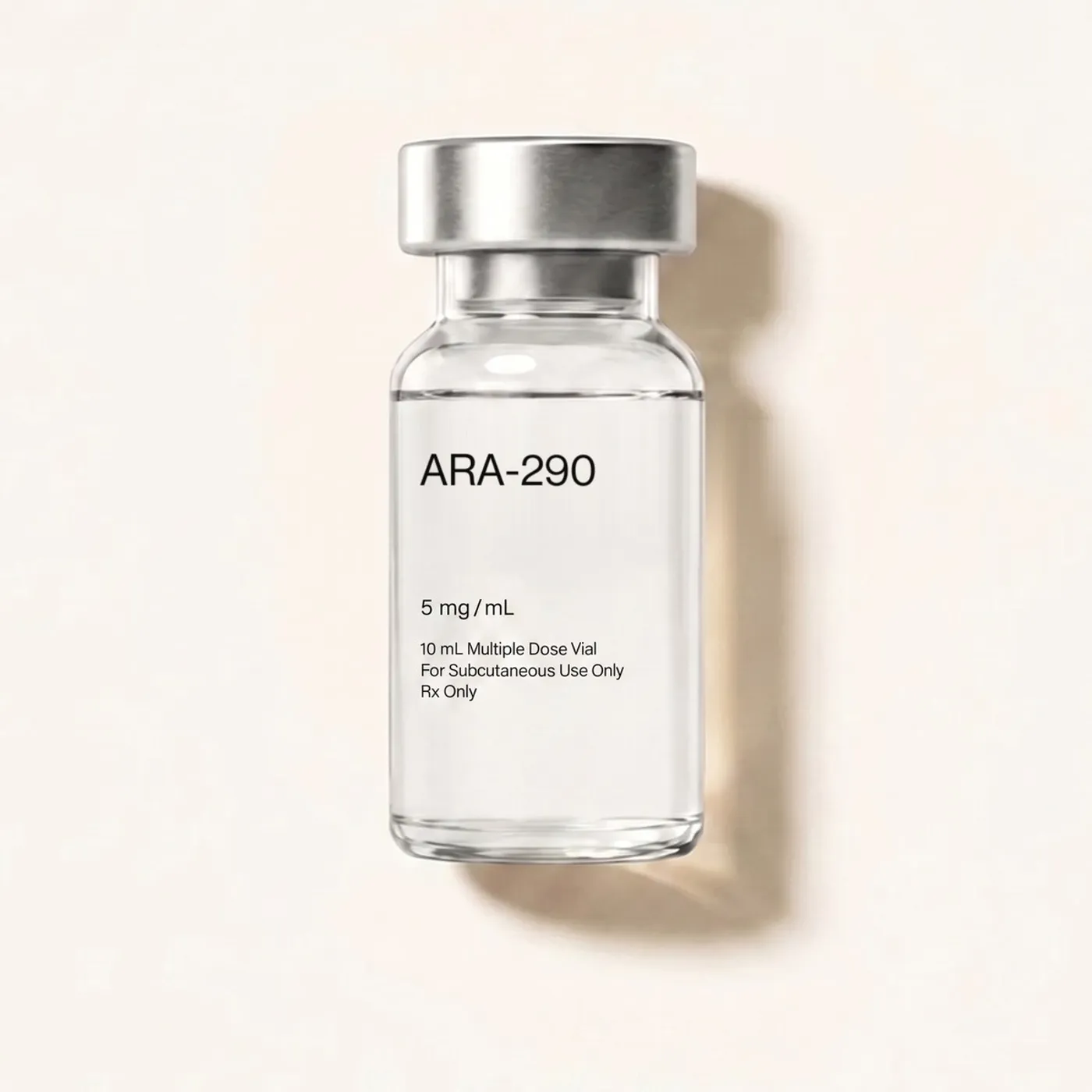
ARA-290
ARA-290 has genuine randomized human trials, all in sarcoidosis patients with small fibre neuropathy, where it improved symptom scores and corneal...
About:
An 11-amino-acid peptide derived from erythropoietin's helix B, studied in trials for neuropathic pain in sarcoidosis.
What does this peptide do?
Backed by human trial data, narrower than the strongest evidence. Research focuses on neuropathic pain.
Neuropathic pain
Randomised trials in sarcoidosis patients with small-fibre neuropathy.
Evidence grade
 B
BHighest evidence grade among the graded claims: B. Grades reflect study strength, not benefit.
What are the benefits and side effects of this peptide
What research says it may help with
- ARA-290 has genuine randomized human trials, all in sarcoidosis patients with small fibre neuropathy, where it improved symptom scores and corneal nerve measures.
Who should avoid it
- People who are pregnant or breastfeeding
- Children and adolescents
- People with a history of blood clots, given the erythropoietin lineage of the molecule
- Known hypersensitivity to peptide preparations
See the safety section. Absence of a flag is not evidence of safety.
A grade reflects evidence strength, not a recommendation to use this compound; a strong grade can attach to a harmful effect.

How to store this peptide
Typically sold as a lyophilized powder. Reconstituted solutions are perishable, need refrigeration, and require clean handling to avoid contamination.
Lyophilized storage
Store at −20 °C, protected from light.
Reconstituted storage
Keep at 2–8 °C and use within a short period. For longer storage, aliquot and freeze at −20 °C.
Storage Handling
Avoid repeated freeze–thaw cycles. Let the vial reach room temperature before opening.
Related research
Related research is coming soon for this peptide.
Related peptides
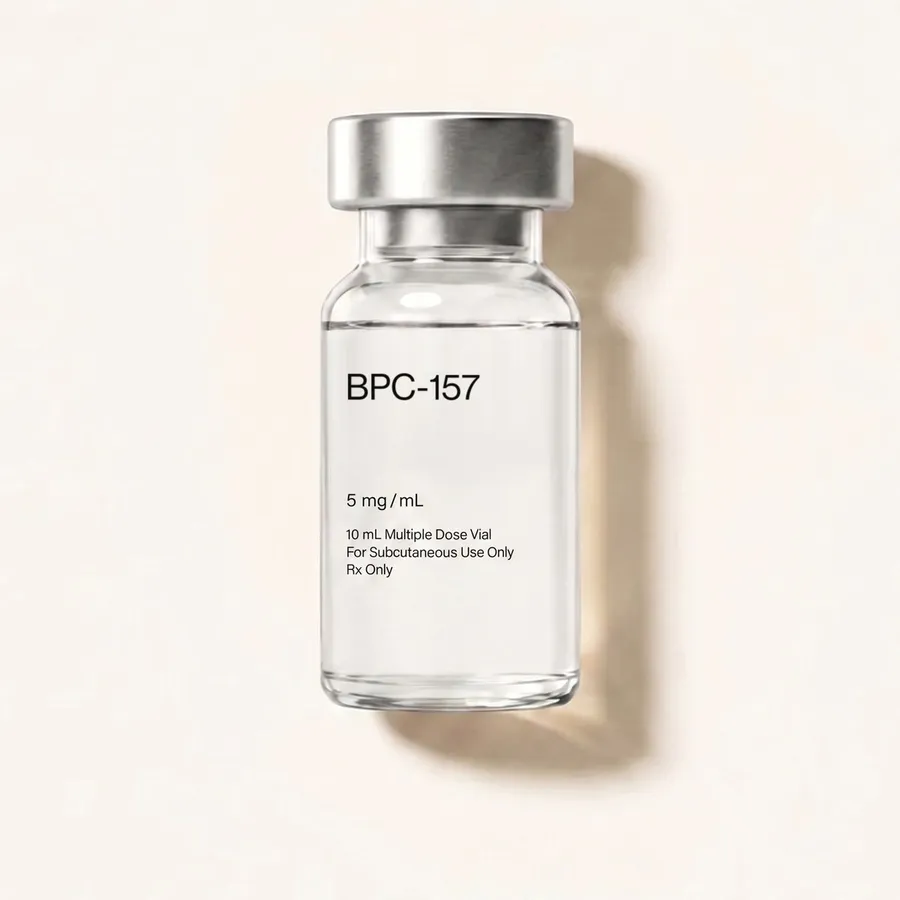 Recovery
BPC-157
Body-protective compound studied for tissue repair, gut health, and recovery.
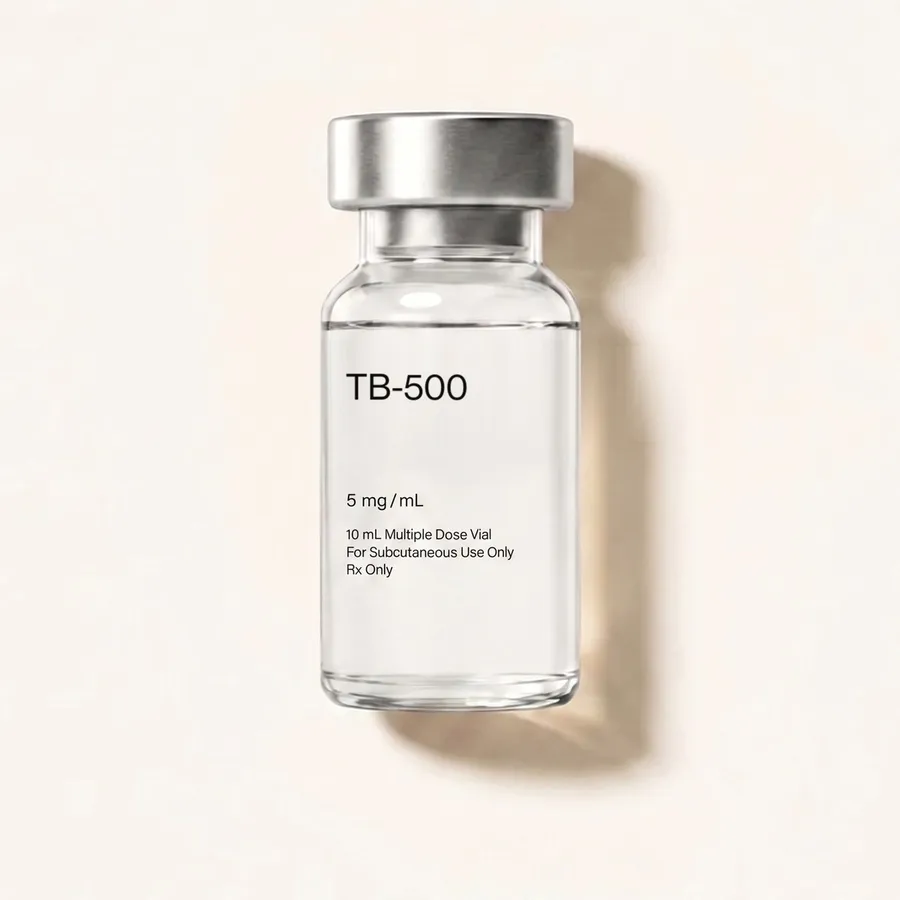 Recovery
TB-500
Thymosin beta-4 fragment explored for flexibility and tissue repair.
 Recovery
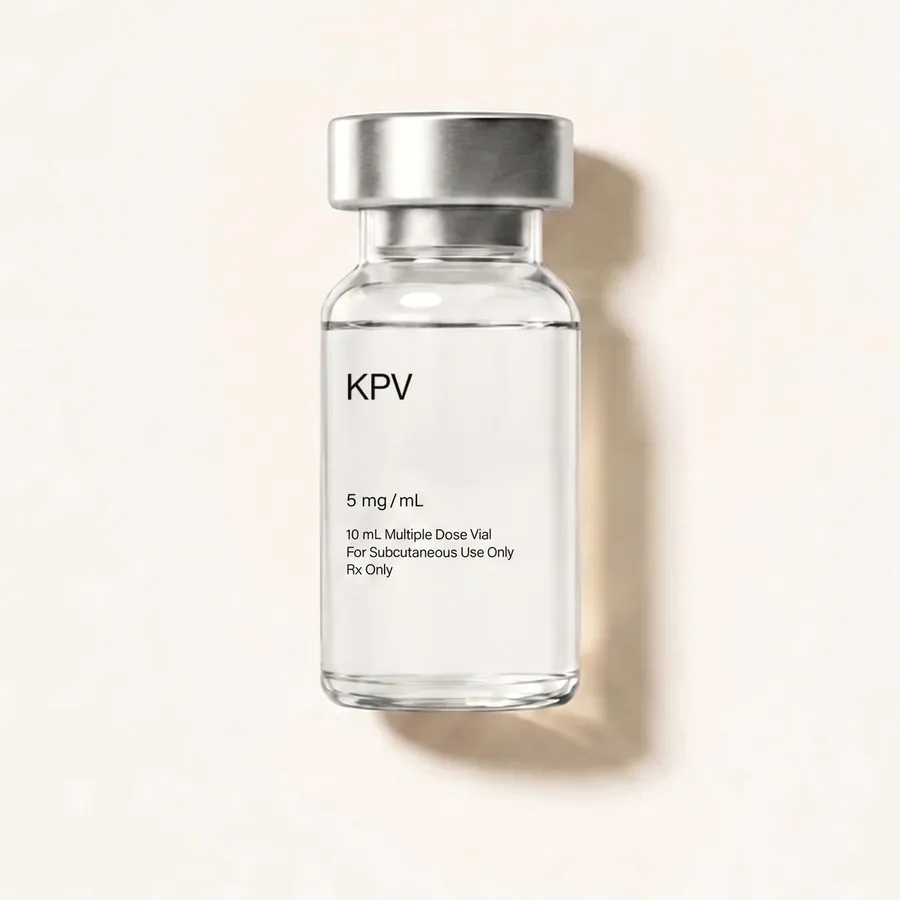
KPV
All verified evidence is preclinical: KPV reduced intestinal inflammation in mouse models of colitis, entered cells through the PepT1 transporter...