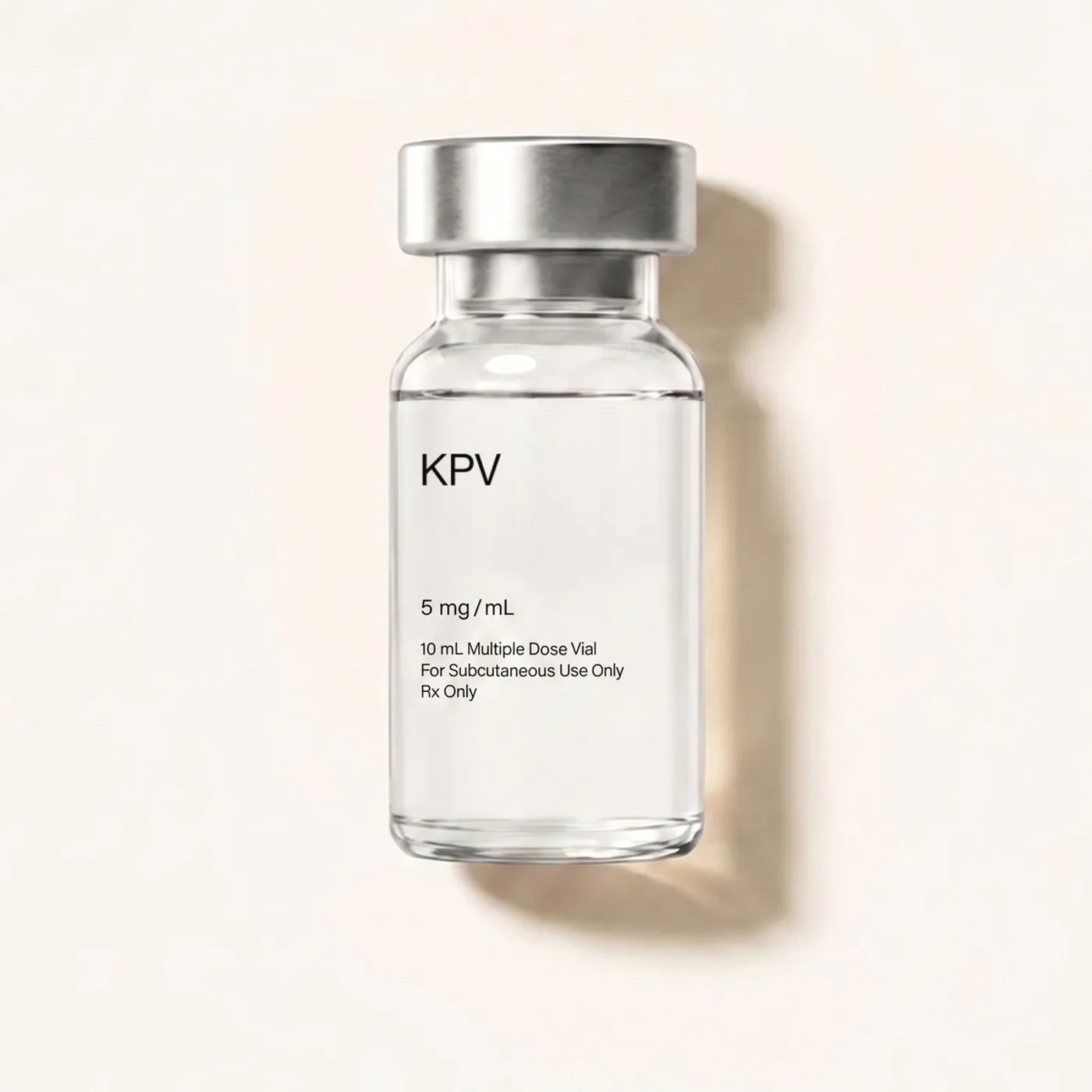
KPV
All verified evidence is preclinical: KPV reduced intestinal inflammation in mouse models of colitis, entered cells through the PepT1 transporter...
About:
The C-terminal tripeptide of alpha-MSH, studied for anti-inflammatory activity mainly in animal and cell models.
What does this peptide do?
Evidence comes from preclinical or laboratory work. Research focuses on anti-inflammatory activity.
Anti-inflammatory activity
Reduced intestinal inflammation in mouse models of colitis.
Evidence grade
 D
DHighest evidence grade among the graded claims: D. Grades reflect study strength, not benefit.
What are the benefits and side effects of this peptide
What research says it may help with
- All verified evidence is preclinical: KPV reduced intestinal inflammation in mouse models of colitis, entered cells through the PepT1 transporter in laboratory work, and belongs to the anti-inflammatory melanocortin family as the C-terminal fragment of alpha-MSH.
- No human trial of KPV was verified, and human dosing and safety data are absent.
Who should avoid it
- People who are pregnant or breastfeeding
- Children and adolescents
- People with inflammatory bowel disease managed with prescription medication, where no interaction data exists
- Known hypersensitivity to peptide preparations
See the safety section. Absence of a flag is not evidence of safety.
A grade reflects evidence strength, not a recommendation to use this compound; a strong grade can attach to a harmful effect.

How to store this peptide
Typically sold as a lyophilized powder. Reconstituted solutions are perishable, need refrigeration, and require clean handling to avoid contamination.
Lyophilized storage
Store at −20 °C, protected from light.
Reconstituted storage
Keep at 2–8 °C and use within a short period. For longer storage, aliquot and freeze at −20 °C.
Storage Handling
Avoid repeated freeze–thaw cycles. Let the vial reach room temperature before opening.
Related research
Related peptides
 Recovery
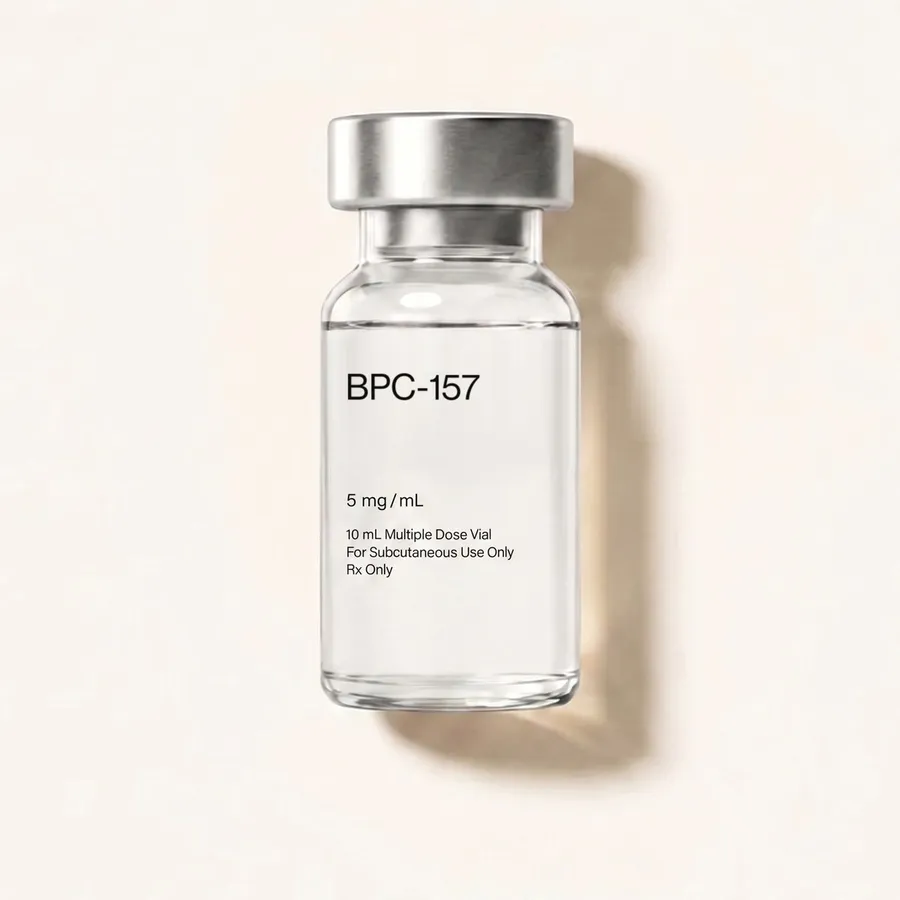
BPC-157
Body-protective compound studied for tissue repair, gut health, and recovery.
 Recovery
TB-500
Thymosin beta-4 fragment explored for flexibility and tissue repair.
 Recovery
ARA-290
ARA-290 has genuine randomized human trials, all in sarcoidosis patients with small fibre neuropathy, where it improved symptom scores and corneal...