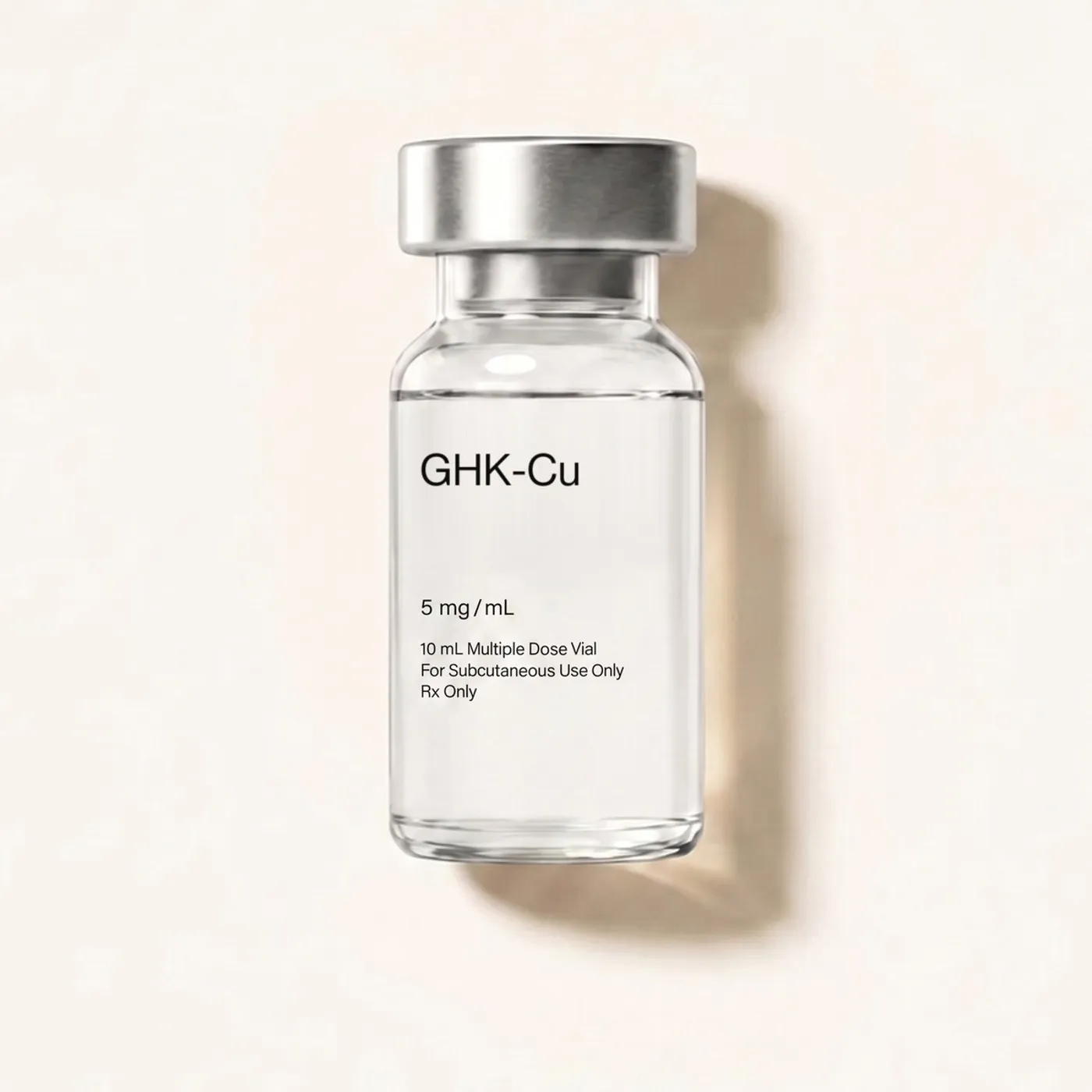
GHK-Cu
Copper peptide researched for skin regeneration, collagen, and wound healing.
About:
GHK-Cu is a naturally occurring copper-binding peptide researched for skin regeneration, collagen synthesis, and wound healing. Levels of the peptide decline with age, making it a focus of anti-aging research.
What does this peptide do?
Studies explore its influence on extracellular matrix remodelling, antioxidant activity, and tissue repair. Reported benefits, side effects, and visible outcomes are common subjects of review.
Skin regeneration
Cell and animal studies link it to skin repair.
Collagen
Animal work reports increased collagen synthesis.
Wound healing
Wound-healing effects are reported in animal models.
Evidence grade
 C
CHighest evidence grade among the graded claims: C. Grades reflect study strength, not benefit.
What are the benefits and side effects of this peptide
What research says it may help with
- Cell and animal studies link GHK-Cu to increased collagen synthesis and improved wound healing in animal models, and it occurs naturally as a copper-binding tripeptide in the human body.
Who should avoid it
- People who are pregnant or breastfeeding
- People with active or suspected cancer, given GHK-Cu's proliferative and angiogenic mechanisms
- Children and adolescents, since no pediatric data were reviewed
- Known allergy or hypersensitivity to copper or copper peptides
- Active skin infection or active malignancy at or near the application site
See the safety section. Absence of a flag is not evidence of safety.
A grade reflects evidence strength, not a recommendation to use this compound; a strong grade can attach to a harmful effect.

How to store this peptide
Available mainly as a topical cosmetic ingredient in creams and serums; store per product labeling. Any injectable use would require sterile reconstitution and single-use needles and syringes, though injectable protocols were not part of the sources reviewed here.
Lyophilized storage
Store at −20 °C, protected from light.
Reconstituted storage
Keep at 2–8 °C and use within a short period. For longer storage, aliquot and freeze at −20 °C.
Storage Handling
Avoid repeated freeze–thaw cycles. Let the vial reach room temperature before opening.
Draw the exact dose, every time
Related research
Peptide research hub
GHK-Cu: The Copper Peptide With Data Behind It
Peptide research hub
GHK-Cu Benefits: Sorting Trials From Marketing
Peptide research hub
GHK-Cu: What the Research Actually Shows
Peptide research hub
GHK-Cu vs Matrixyl: which copper-collagen peptide actually works
Peptide research hub
Topical GHK-Cu: Strong Skin Data, Thin Everywhere Else
Peptide research hub
GHK-Cu's Gene-Expression Study, Read Carefully
Peptide research hub
GHK-Cu Injectable: Which Human Clinical Trials Exist
Peptide research hub
GHK-Cu Peptide Injection: The Human Evidence Gap
Related peptides
 Skin & Anti-Aging
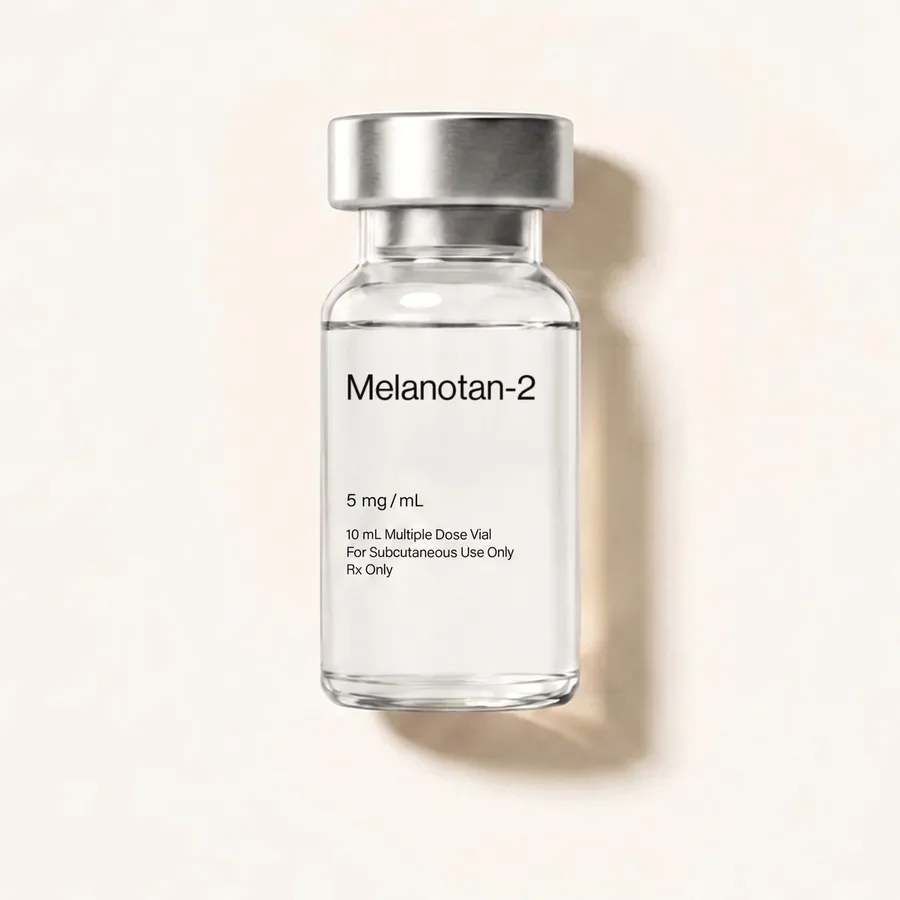
Melanotan-2
Melanotan-2 is unlicensed in every jurisdiction we checked. Verified literature places it among melanocortin receptor agonists and documents its...
 Skin & Anti-Aging
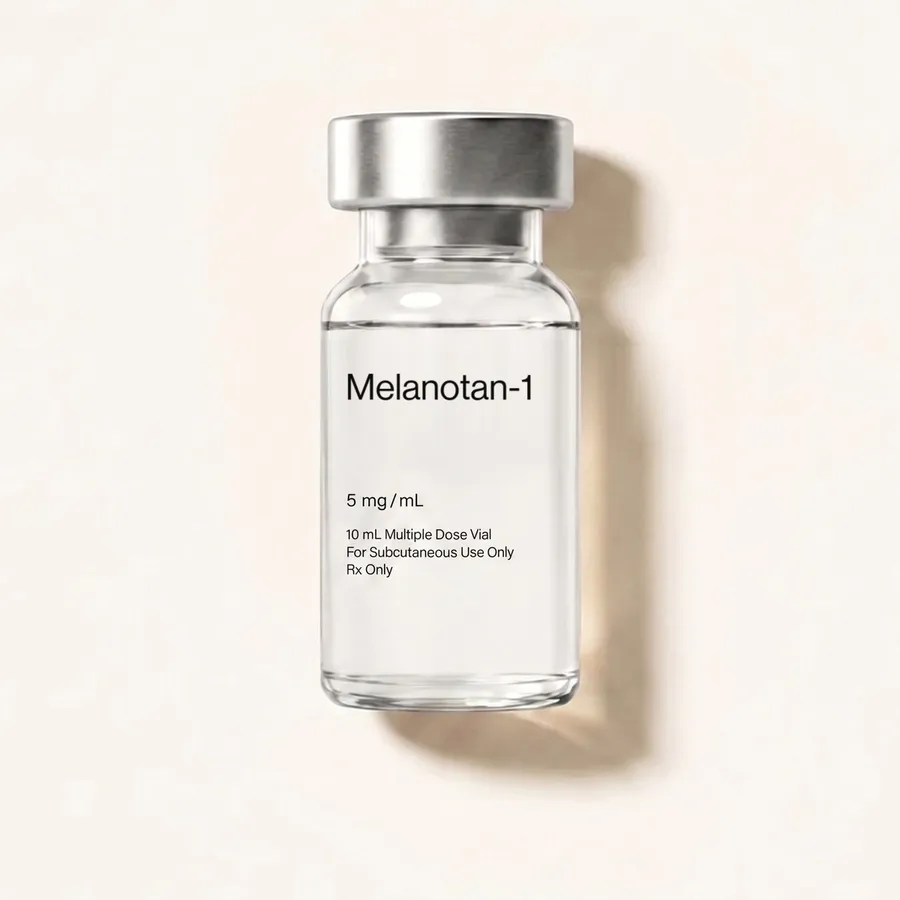
Melanotan-1
Melanotan-1 is the compound behind afamelanotide, which holds marketing authorisation as Scenesse for a rare light-sensitivity condition and is...
 Skin & Anti-Aging
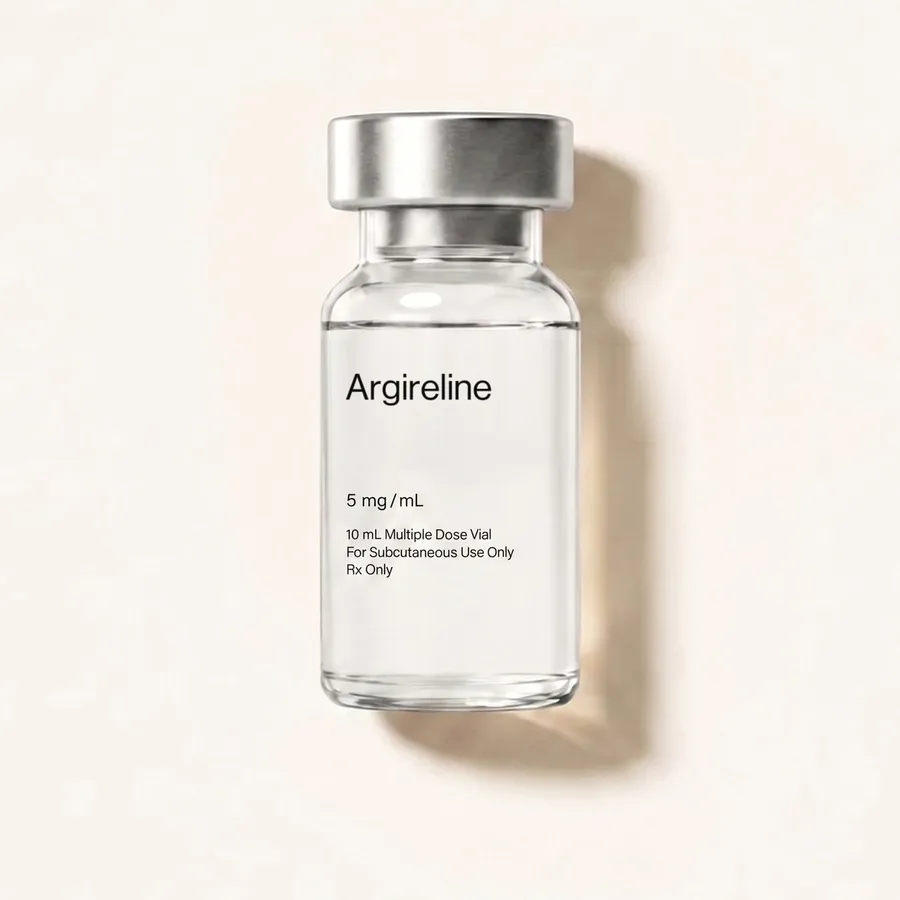
Argireline
Argireline has more evidence behind it than most cosmetic peptides: controlled studies measuring wrinkle endpoints, a pilot clinical study, and...